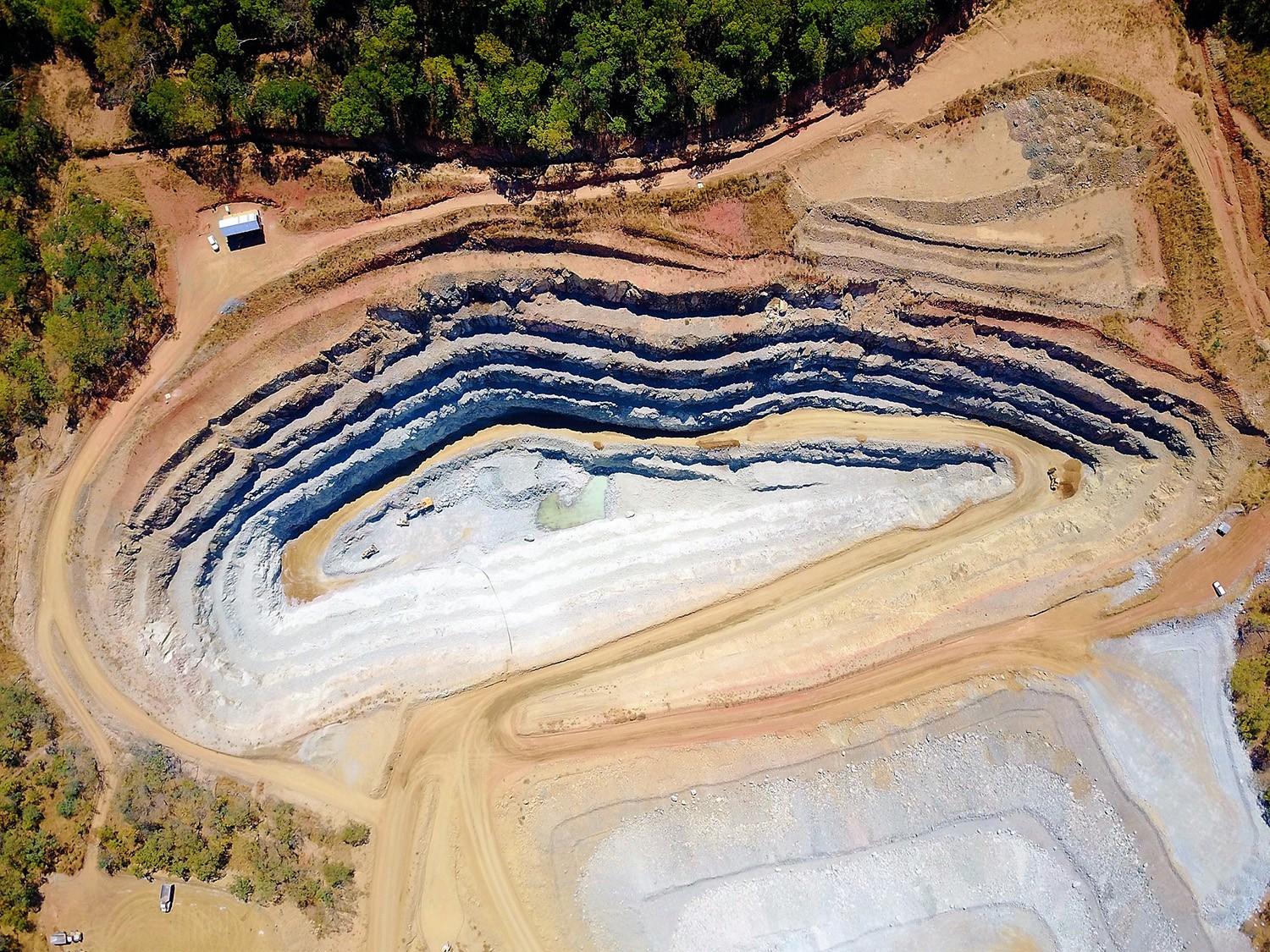
The Finance Act, 2026, introduces a coordinated package of tax incentives for holders of Mining Licenses and Special Mining Licences operating under Government-approved Framework Agreements for projects in which the Government holds an ownership interest. Amendments to the Income Tax Act, Cap. 332, R.E. 2023, provide income tax exemptions during the construction phase of eligible mining projects, while amendments to the Value Added Tax Act, Cap. 148, R.E. 2023, exempt qualifying imports and supplies of goods and services used exclusively during construction. The Finance Act also amends the Excise (Management and Tariff) Act, Cap. 147, R.E. 2023, by introducing a new section 146B, under which the Minister may, upon Cabinet approval and by order published in the Gazette, remit excise duty payable by holders of Mining Licenses and Special Mining Licenses on goods imported or purchased for use during the construction of mining projects in which the Government has an ownership interest. The remission does not extend to petroleum products and is subject to conditions, time limits, and qualifying goods to be specified by the Minister.
The amendments to the Income Tax Act, Cap. 332, R.E. 2023; the Value Added Tax Act, Cap. 148, R.E. 2023; and the Excise (Management and Tariff) Act, Cap. 147, R.E. 2023 expressly recognize income tax exemptions, VAT exemptions on qualifying imports and supplies, and excise duty remission on qualifying goods used in the construction of mining projects covered by Government-approved Framework Agreements. This provides investors with a clearer statutory basis for claiming incentives that previously relied more heavily on contractual commitments and implementing approvals.
The principal exemptions apply only during the construction phase and end when production begins. Separately, the Finance Act amends section 33A of the Income Tax Act to exclude institutions with Framework Agreements with the Government from the deemed distribution rule. The practical tax advantage is that such institutions should not be subject to deemed dividend treatment on the prescribed portion of undistributed profits under section 33A, thereby allowing greater flexibility to retain and reinvest profits without triggering that deemed distribution.
A key implementation issue is the new section 8A of the Tax Administration Act, Cap. 438, R.E. 2023, which obliges the Minister to specify, by notice published in the Government Gazette, a Framework Agreement for the purpose of a tax law. Although Framework Agreements have already received Government approval under the mining regulatory framework, the Finance Act introduces a separate tax-exemption recognition mechanism via a ministerial specification. However, the legislation does not prescribe the process, timing, criteria, or initiating party for specification. It also does not clarify whether publication is merely an administrative confirmation of an already Government-approved Framework Agreement or a legal condition precedent for accessing the incentives. This distinction is important because, if specification is treated as a substantive gateway, investors may be unable to rely on the statutory incentives until the relevant FWA is specified in the Gazette.
The Finance Act also contains no express transitional provisions for FWAs entered into before 1 July 2026. Existing projects still under construction may therefore assume that they fall within the new regime, particularly when exemption claims are pending, disputed, or not fully implemented. However, until the Government provides further guidance or clarifies the specification process, investors should assume that Gazette specification may be an important step in securing the practical availability of the incentives.
In addition to the uncertainty surrounding the ministerial specification of Framework Agreements under the Tax Administration Act, mining investors should note that the new excise duty remission regime requires further administrative implementation. Section 146B contemplates Cabinet approval, publication of a ministerial order in the Gazette, and future regulations prescribing procedures for obtaining the remission. The timing and interaction of these processes with the new Framework Agreement specification mechanism remain unclear and may affect when the practical benefit of the incentives becomes available to eligible projects.
The incentive package is accompanied by enhanced compliance obligations. Extractive industry entities must disclose contractor and subcontractor information to the Tanzania Revenue Authority, including taxpayer identification numbers and details of contractual arrangements.
The legislation also introduces significant sanctions for abuse of exemptions and remissions granted under FWAs. Misuse of exempt goods, unauthorized transfers, or obtaining benefits through false statements may result in repayment of the relevant tax benefit, together with penalties equal to 100% of the exempted amount. Mining companies should therefore maintain robust controls over exempt goods, procurement processes, contractor reporting, and supporting documentation.
The Finance Act, 2026, is a meaningful step toward the statutory recognition of incentives under Tanzania’s Mining Framework Agreements. Its practical impact, however, will depend on how quickly and transparently the ministerial specification mechanism is implemented, particularly for existing FWAs and pending exemption claims. Mining investors should review their Framework Agreements, identify outstanding incentive claims, confirm whether construction-phase benefits remain relevant, and monitor Gazette notices and administrative guidance closely.

Should you require any assistance please contact:
Amb. Mwanaidi Sinare Maajar
m.maajar@rexattorneys.co.tz;
or
Mr. Daudi Ramadhani –
d.ramadhani@rexattorneys.co.tz
Disclaimer:
This article is intended for general informational purposes only and does not constitute legal or professional advice. While it reflects expert opinion and the information is accurate as of the date of publication, there is no guarantee that it remains current or applicable at the time it is received. Readers are strongly advised not to act on the contents without seeking appropriate professional guidance tailored to their specific circumstances.